COLOR
DIRECTION · SUBSITE LATER
We read the substrate, failure mechanism and operating environment — then design a system that can be tested, supplied and accepted.
Four questions people actually ask. Each answer opens the next step instead of pretending the answer is already known.
VISITORI do not know which coating to ask for.
FORMULA COATINGSThat is all right. Tell us what the surface is made of — and what has changed.
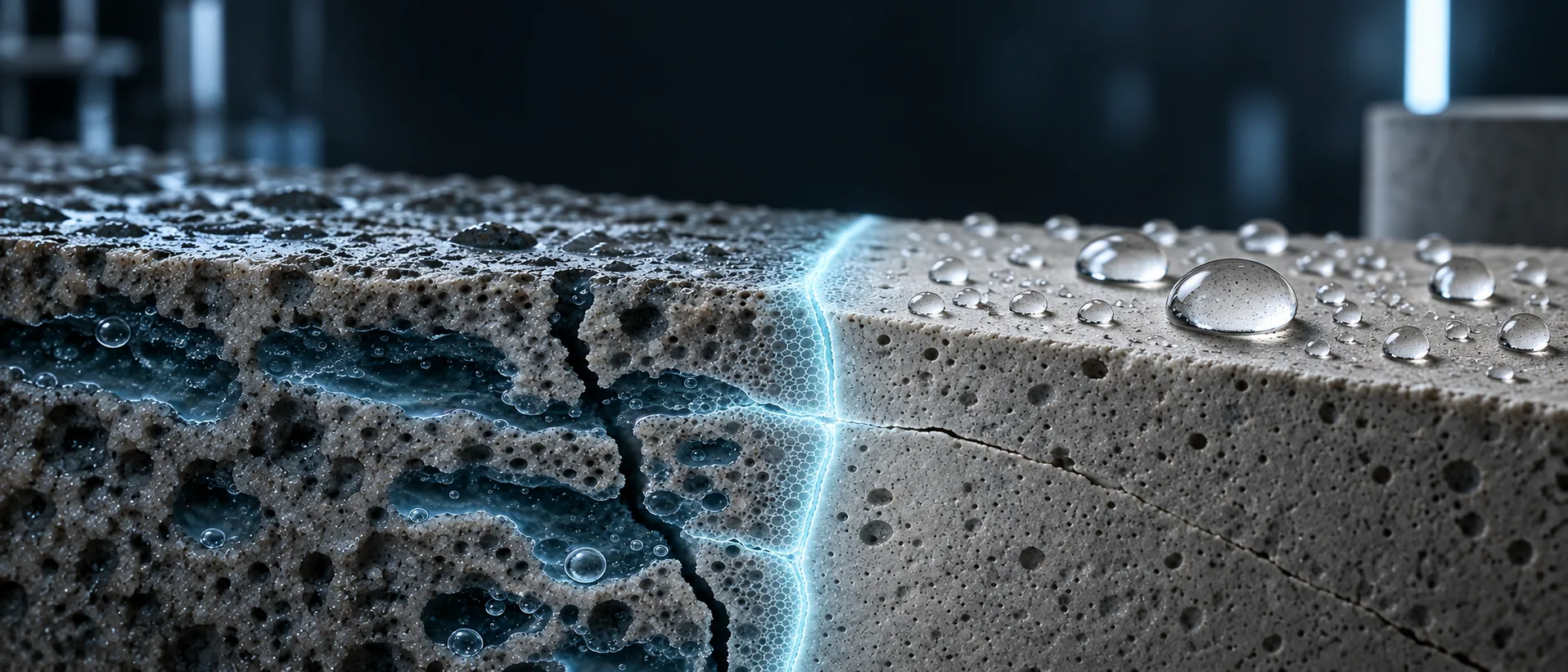
A material sample becomes the first clue.
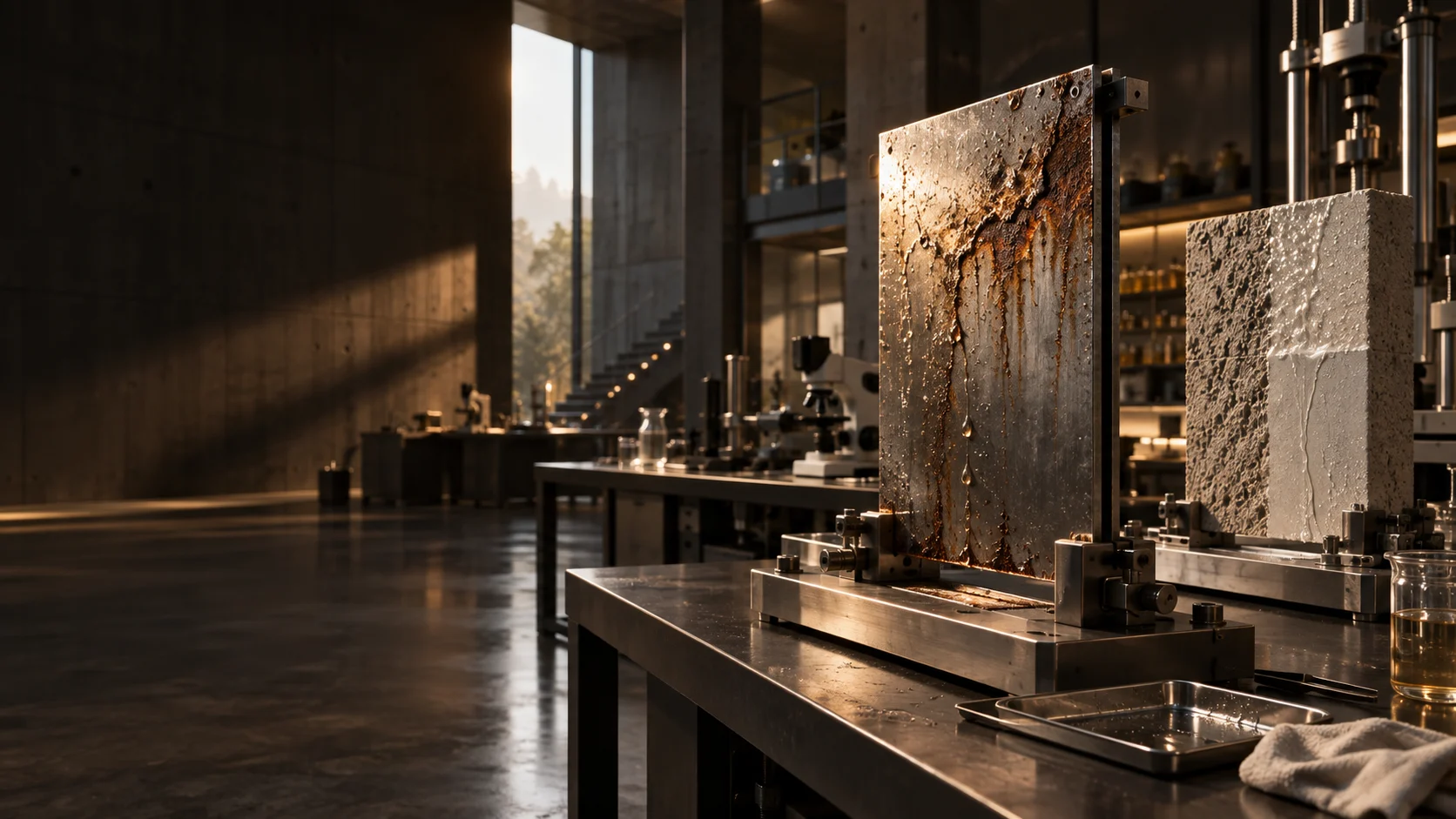
VISITORThe layer peels away. Can we just apply another one?
FORMULA COATINGSPerhaps. First we need to understand moisture, preparation, adhesion and the conditions around it.
A failing layer reveals the cause to investigate.
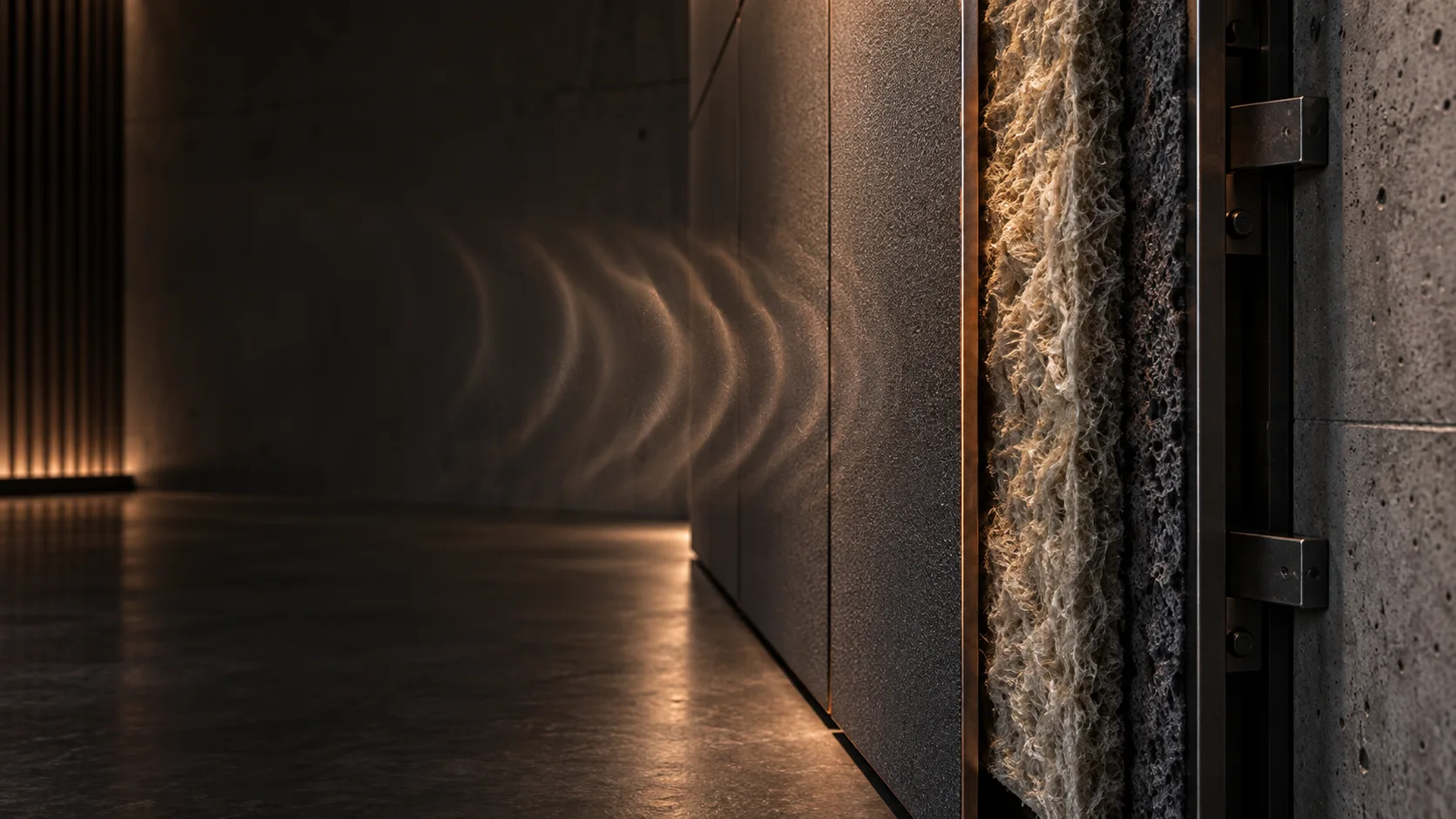
VISITORWhat if my real problem is noise?
FORMULA COATINGSThen we take a different route. Airborne sound, impact and vibration are not the same task; the whole assembly needs checking.
A layered acoustic surface opens the FC05 route.
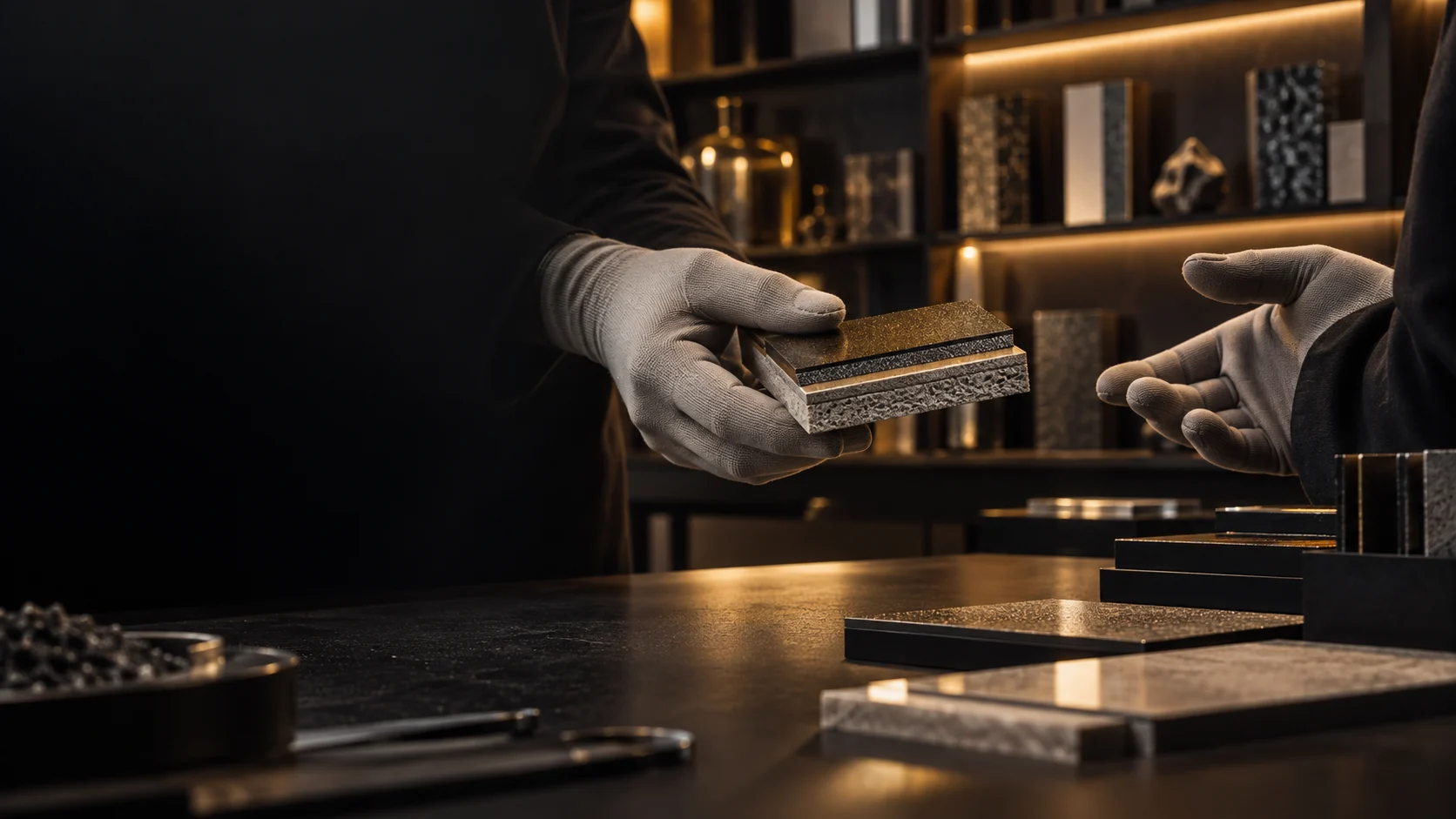
VISITORCan you promise the price and result today?
FORMULA COATINGSWe can promise a clear process: define the criterion, test a sample, then discuss technology, supply and acceptance.
Evidence turns a question into a decision.
Illustrated scenario, not a transcript of a real consultation. Technical decisions require inspection and testing.
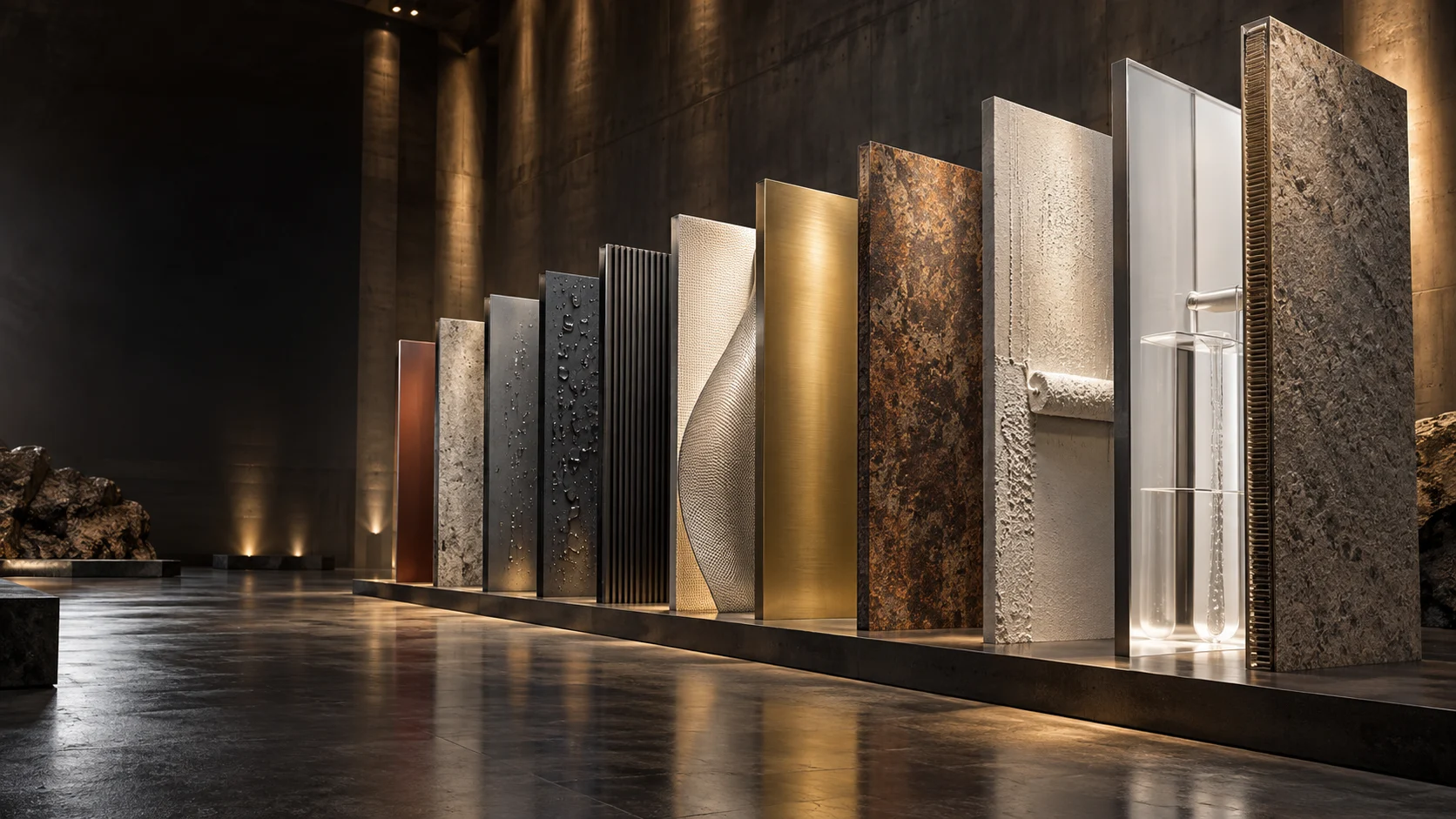
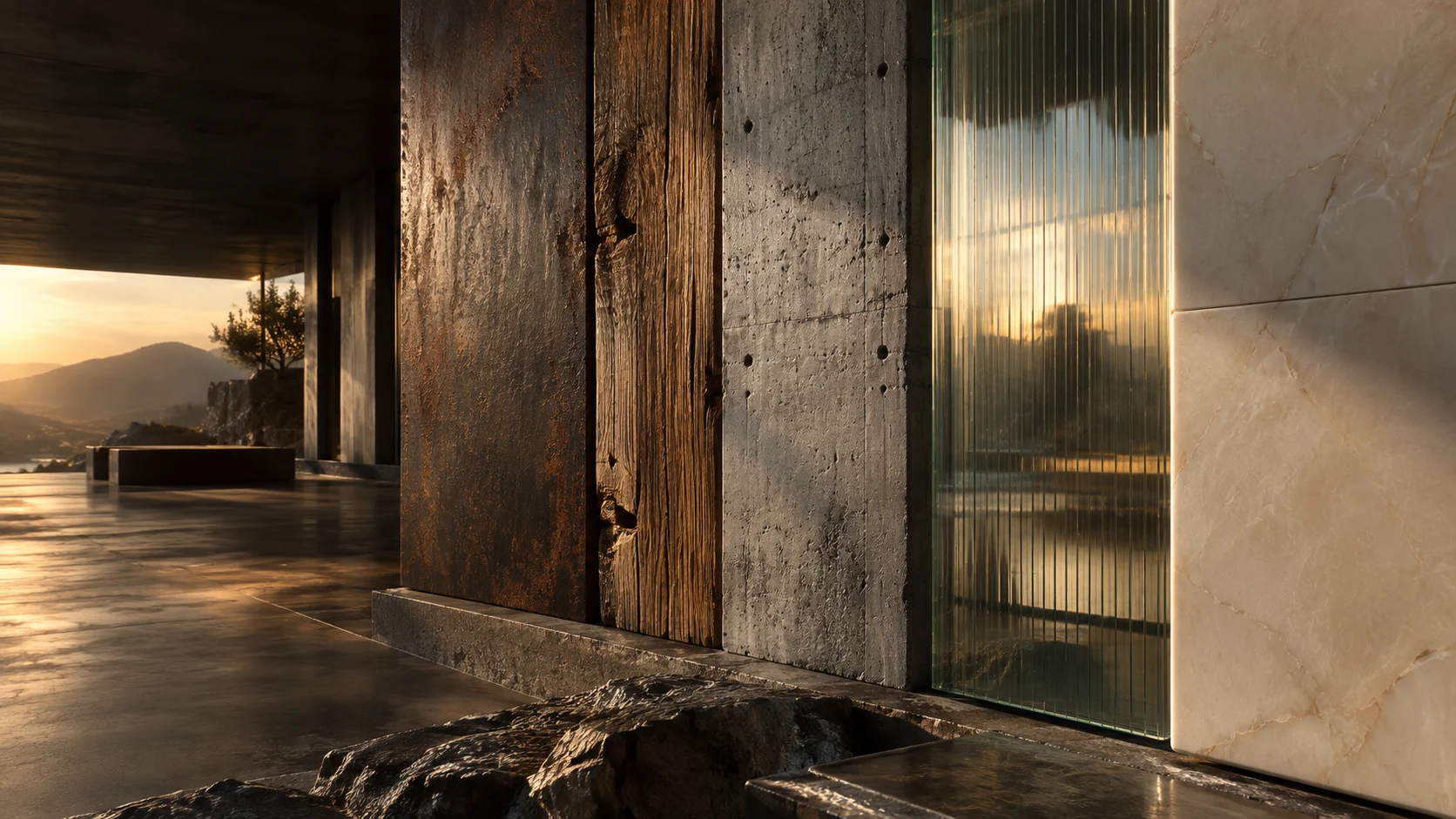
Metal, cast iron, concrete, wood, glass, ceramics and elastomers behave differently. The system begins with the real surface.
A preliminary route, not a finished specification.
Seven subject formulas answer what must change. Technology, Lab and Supply make the result executable.
DIRECTION · SUBSITE LATER
DIRECTION · SUBSITE LATER
DIRECTION · SUBSITE LATER
DIRECTION · SUBSITE LATER
DIRECTION · SUBSITE LATER
DIRECTION · SUBSITE LATER
DIRECTION · SUBSITE LATER
DIRECTION · SUBSITE LATER
DIRECTION · SUBSITE LATER
DIRECTION · SUBSITE LATER
Airborne sound, impact noise, vibration and reverberation demand different surface systems. FC05 begins with the acoustic problem — then tests a candidate solution.
Sample → protocol → criterion → decision. Unverified performance remains a concept.
The first conversation establishes what is known, what must be tested and what a useful proposal would contain.
Surface, object, conditions, failure and desired outcome.
Possible formula directions and questions still open.
Sample, method, criterion and decision are defined before a performance claim.
Scope, technology, timing, price and acceptance are discussed after the inputs are checked.
Build a task passport and preview the automated acknowledgement. Nothing is transmitted.